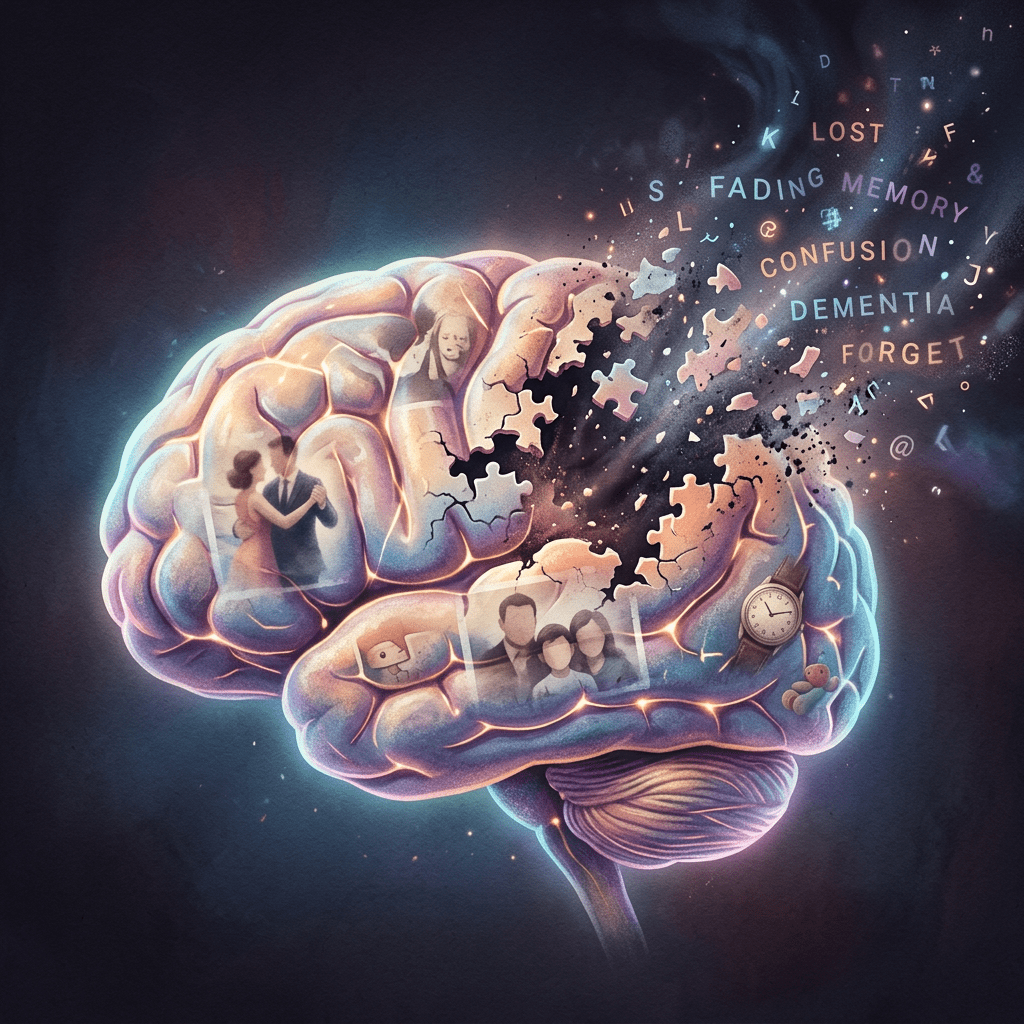
Dementia vs Alzheimer’s: Understanding the Difference, Risk Factors & Daily Habits for Prevention
From the desk of Dr. Sonal’s Homeopathy Clinic
As we age, occasional forgetfulness is normal. But when memory loss starts interfering with daily life, many families wonder: is this dementia, or is it Alzheimer’s? These terms are commonly used but they actually have different meanings.
At Dr. Sonal’s Homeopathy Clinic, we believe awareness is the first step toward prevention.
Let’s simplify it.
Dementia vs Alzheimer’s: What’s the Difference?
Dementia is not a single disease — it’s a term used for a group of symptoms affecting memory, thinking, reasoning, and social abilities severely enough to interfere with daily life.
Alzheimer’s disease on the other hand is the most common cause of dementia, accounting for 60–80% of cases. Think of it this way:
- Dementia = the symptom/condition (like “fever” or “anemia”)
- Alzheimer’s = one specific disease that causes it (like “malaria” causes fever or iron deficiency causes anaemia)
Other causes of dementia include vascular dementia (from stroke/poor blood flow), Lewy body dementia, Parkinson’s-related dementia, and frontotemporal dementia.
| Aspect | Dementia | Alzheimer’s |
|---|---|---|
| Nature | Umbrella term for symptoms | A specific, progressive brain disease |
| Cause | Multiple possible causes | Abnormal protein buildup (plaques & tangles) damaging brain cells |
| Onset | Can be sudden (e.g., after a stroke) | Usually slow and gradual |
| Reversibility | Some types are partially reversible | Currently not reversible, but progression can be slowed |
Are you at Risk?
While anyone can be affected, certain groups carry higher risk:
- Age 65+ — risk roughly doubles every 5 years after 65
- Family history — genetics play a role, especially with early-onset Alzheimer’s
- Women — statistically diagnosed more often, partly due to longer lifespan
- People with heart disease, diabetes, or high blood pressure — poor cardiovascular health affects brain health
- Sedentary lifestyle, smoking, chronic stress, and poor sleep
- Low social engagement or limited mental stimulation
- History of head injury
Prevention & Delay: Simple Daily Habits That Help
The encouraging news — around 40% of dementia cases may be preventable or delayed through lifestyle changes.
Here’s how to build brain-protective habits into everyday life:
🧠 Keep the mind active — Read, solve puzzles, learn a new skill or language, play strategy games like chess or sudoku.
🚶 Move your body daily — Just 30 minutes of brisk walking, yoga, or light exercise improves blood flow to the brain.
🥗 Eat brain-friendly foods — Include walnuts, leafy greens, berries, turmeric, and omega-3 rich foods; reduce processed sugar, instant packaged and fried foods.
😴 Prioritize quality sleep — 7–8 hours of uninterrupted sleep helps clear toxins from the brain.
👥 Stay socially connected — Regular conversations, family time, and community involvement reduce cognitive decline risk.
🧘 Manage stress mindfully — Practice meditation, deep breathing, or simple relaxation techniques daily.
🩺 Monitor health regularly — Keep blood pressure, blood sugar, and cholesterol in check through routine check-ups.
🚭 Avoid smoking and limit alcohol — Both are directly linked to faster cognitive decline.
How Homeopathy Can Support Brain Health
At Dr. Sonal’s Homeopathy Clinic, we focus on gentle, individualized care that supports overall well-being — helping manage stress, improve sleep quality, and support holistic health alongside lifestyle changes. Homeopathy works best as part of an integrative approach, alongside medical guidance, healthy habits, and family support.
Early awareness, consistent healthy habits, and timely care can make all the difference.
📍 Have concerns about memory health for yourself or a loved one? Visit Dr. Sonal’s Homeopathy Clinic for a personalized consultation.
#DrSonalsHomeopathyClinic #BrainHealth #DementiaAwareness #AlzheimersAwareness #HolisticHealing #HomeopathyForWellness


Leave a comment